
Iconomy Participates in Forward Singapore Dialogue on the Future of Public Housing
· iconomy
20 November 2022
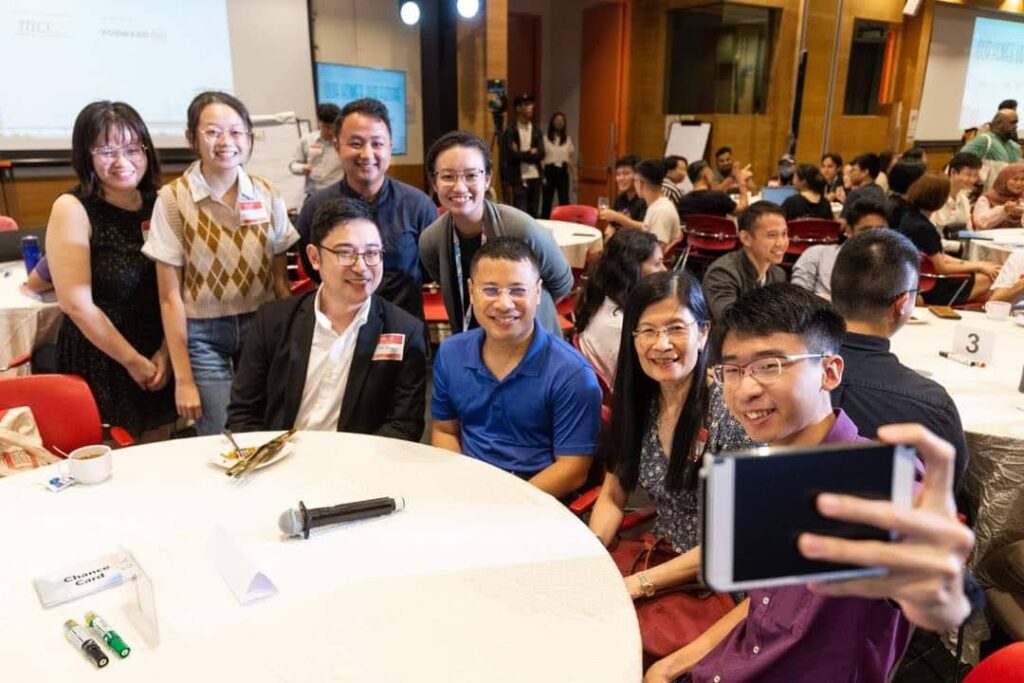
Representatives of Iconomy participated in the Ministry of National Development (“MND”) and National Youth Council (“NYC”) Forward Singapore engagement session, “Our Homes, Our Future”, held at the Lifelong Learning Institute on 20 November 2022.
The dialogue was attended by Minister for National Development Mr Desmond Lee and formed part of the BUILD pillar of the Forward Singapore exercise, through which Singaporeans were invited to contribute their views on the evolving social compact surrounding housing and the built environment.
At the session, participants considered some of the fundamental challenges confronting Singapore’s public-housing system: how homes could remain accessible and affordable, how limited housing resources should be prioritised among households with differing needs, and how the system should evolve alongside changing demographics and aspirations.
Accessibility, Affordability and Different Housing Needs
Public-housing accessibility featured prominently in the discussion.
Minister Lee noted that while first-time home buyers generally received priority, different households within that group could nevertheless face very different degrees of housing urgency. Couples with children who did not yet have homes, lower-income families, seniors and singles presented different circumstances which the housing system had to accommodate.
The Government was therefore studying how access to public housing could be further prioritised for households with more pressing needs, while recognising the difficulty of achieving consensus over how those needs should be assessed.
Affordability was another major theme. The dialogue took place against a backdrop of rising HDB resale prices and disruptions to housing construction following the COVID-19 pandemic. MND highlighted the increase in BTO supply, the role of housing subsidies and grants, and measures intended to maintain a sustainable property market.
Different policy propositions were also discussed, including suggestions concerning owner-occupation, the resale market and cash-over-valuation transactions. Minister Lee observed that the competing proposals involved trade-offs rather than straightforward solutions.
A Question on Permanent Residents and Public Housing
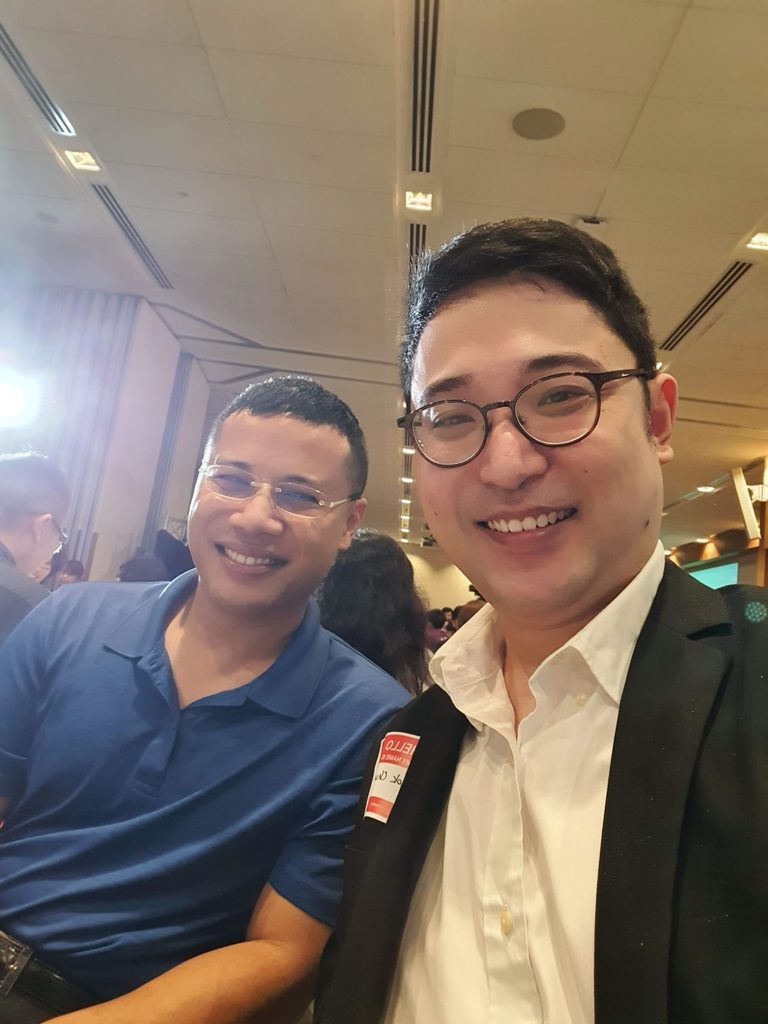
During the dialogue, Mr Boo Kok Chuon, who joined Iconomy Corporate Consultancy earlier in 2022 as Senior Executive Director of its Legal and Governance Management Division, raised a question concerning Permanent Resident ownership of HDB flats.
The question explored whether further restrictions should be considered to prevent subsidised public housing from being used primarily for investment or wealth accumulation by foreign Permanent Residents.
Minister Lee responded that Permanent Residents were not permitted to rent out their entire HDB flats while living overseas, and indicated that suspected instances of such conduct could be reported to the authorities. The explanation was accepted and the dialogue moved on.
For completeness, the concern underlying Mr Boo’s question was somewhat narrower than may have been apparent from the exchange.
It was not directed at unlawful whole-flat rental. Rather, the policy question contemplated a Permanent Resident who genuinely occupied the HDB flat while working in Singapore, retained a bedroom for his own residential use, and lawfully rented out spare bedrooms, while also maintaining a home in his country of origin to which he regularly returned.
The question was whether the permitted rental of bedrooms by non-citizen owners should itself be reconsidered where public housing simultaneously provides residential utility, rental income and the potential economic benefits associated with ownership.
No impropriety was suggested on the part of owners acting within the prevailing rules. The issue raised was instead one of policy calibration: how the benefits associated with Singapore’s subsidised public-housing system should be balanced against its primary social purpose of providing homes.
An Evolving Social Compact
The broader dialogue demonstrated why questions of this nature cannot readily be considered in isolation.
Singapore’s public-housing system serves households across different generations, income groups and stages of life. Young couples may prioritise affordability and access to their first home; families may require additional space as children grow; seniors may wish to age in place; while singles increasingly seek independent housing arrangements.
At the same time, these aspirations must be reconciled against finite land and public resources. Minister Lee described this as part of the wider task of determining how resources should be prioritised between different groups and different generations of Singaporeans.
The Forward Singapore exercise was therefore intended not merely to address immediate questions concerning BTO supply or resale prices, but to examine the underlying social compact governing housing in Singapore.
For Iconomy, participation in such engagements forms part of a broader interest in the interaction between economic policy, asset ownership, demographic change and the institutional frameworks within which businesses and households make long-term decisions.
Constructive policy engagement requires neither unquestioning agreement nor opposition for its own sake. It requires citizens to raise concerns, listen to competing considerations, understand the constraints faced by policymakers, and contribute perspectives from their own professional and personal experiences.
The Our Homes, Our Future dialogue provided precisely such a forum: an opportunity for Singaporeans to participate in the continuing conversation over how one of the country’s most important social institutions should evolve for the generations ahead.
MND: Opening Remarks by Minister Desmond Lee at the 20 November 2022 engagement session
CNA: Singapore studying how to further prioritise access to public housing
Leave a Reply